
Brooksville Pruning Services
Choose our professional pruning services to enhance your landscape’s beauty, promote healthy growth, and ensure the safety of your property with skilled, reliable care.
Get a Free QuoteOur Brooksville Landscaping & Yard Care Services
When to Schedule Pruning in Brooksville, Florida – Seasonal Guide
In Brooksville, Florida, timing your pruning services is essential for maintaining healthy, vibrant landscapes. The region’s subtropical climate, characterized by warm, humid summers and mild winters, means that most pruning is best performed during the late winter to early spring months—typically from late January through March. This period allows trees and shrubs to recover before the active growing season begins, reducing the risk of disease and promoting robust new growth.
Local environmental factors play a significant role in determining the optimal pruning schedule. For example, neighborhoods near Tom Varn Park or along the shaded streets of Southern Hills Plantation may experience different microclimates, such as increased humidity or varying soil drainage. It’s important to consider Brooksville’s average last frost date, which usually falls in early February, as pruning too early can expose plants to frost damage. Additionally, areas prone to drought or with sandy soils, like those near the Withlacoochee State Forest, may require special attention to moisture retention and plant stress. For more information on local climate patterns and municipal guidelines, visit the official Brooksville resource.
Local Factors to Consider for Pruning in Brooksville
- Tree and shrub density in your yard
- Terrain and soil type (sandy, loamy, or clay)
- Average precipitation and drought risk
- Shade coverage from mature trees or nearby structures
- Municipal restrictions or neighborhood association guidelines
- Proximity to landmarks such as Tom Varn Park or Southern Hills Plantation
- Timing of the last expected frost
Benefits of Pruning in Brooksville
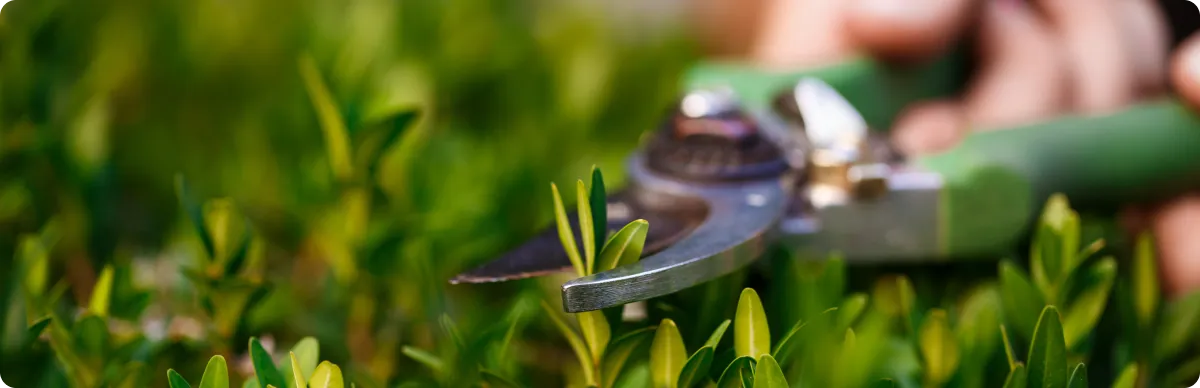
Enhanced Plant Health
Improved Curb Appeal
Increased Sunlight Exposure
Disease Prevention
Professional Expertise
Customized Landscaping Solutions
Brooksville Pruning Types

Crown Thinning
-
Crown Raising
-
Crown Reduction
-
Deadwooding
-
Formative Pruning
-
Pollarding
-
Vista Pruning
Our Pruning Process
Site Evaluation
Plant Selection
Targeted Pruning
Debris Removal
Final Inspection
Why Choose Brooksville Landscape Services
-
Brooksville Homeowners Trust Us
-
Expert Lawn Maintenance
-
Reliable Scheduling
-
Competitive Pricing
-
Professional Team
-
Satisfaction Guarantee
-
Personalized Service
Coordinating Pruning Activities with Brooksville’s Parks and Public Works Departments
Pruning of trees and shrubs on both public and private property in Brooksville often intersects with city maintenance schedules, right-of-way management, and stormwater protection. The Brooksville Public Works Department is responsible for maintaining city infrastructure, including the management of vegetative debris generated from pruning along streets, sidewalks, and drainage systems. Residents and property managers should ensure that all pruning debris is properly bundled and placed according to city collection guidelines to prevent obstruction of storm drains and swales. For pruning activities adjacent to public parks or city-maintained medians, coordination with the Parks & Recreation Department may be necessary to avoid conflicts with scheduled maintenance or community events. When planning significant pruning projects, especially those impacting public rights-of-way, it is advisable to verify current procedures with the relevant city department to ensure compliance and avoid potential code violations.
Brooksville FL Public Works
201 Howell Ave, Brooksville, FL 34601
Phone: 352-540-3860
Official Website: Brooksville FL Public Works
How Brooksville’s Central Florida Conditions Shape Pruning Needs and Timing
Brooksville is situated in the Central Florida / Inland Peninsula region, which brings a unique set of environmental factors influencing pruning practices. The area experiences a humid subtropical climate with pronounced wet and dry seasons, and is classified as USDA Hardiness Zone 9a (USDA Plant Hardiness Zone Map). Key local conditions affecting pruning include:
- Sandy, well-drained soils: Predominant in Brooksville, these soils can lead to rapid drying and nutrient leaching, impacting plant recovery after pruning.
- High summer heat and humidity: Pruning during peak summer can stress plants, so timing is critical to avoid heat-related decline.
- Frequent summer storms: The wet season brings intense rainfall, increasing the risk of storm damage to improperly pruned or weakened branches, and necessitating pre-storm structural pruning for safety.
Additionally, runoff from pruning debris or improper disposal can impact local swales, ponds, and stormwater systems, making debris management a priority for environmental protection.
Regulatory Requirements and Environmental Compliance for Pruning in Brooksville
Pruning activities in Brooksville are subject to both municipal and state-level regulations. The city enforces property maintenance and vegetation standards through its Code Enforcement Division, which addresses issues such as overgrown vegetation, sightline obstructions, and debris accumulation. For pruning near public rights-of-way or in areas adjacent to stormwater infrastructure, compliance with the Florida DEP NPDES Stormwater Program is essential to prevent runoff pollution and protect water quality. Additionally, the UF/IFAS Gardening Solutions - Protecting Florida’s Water Resources resource provides guidance on minimizing environmental impact during landscape maintenance. Residents should be aware that:
- Permits may be required for significant tree work, especially for protected species or work in regulated zones; verify requirements with the city’s Community Development Department.
- Debris must not be placed in swales, storm drains, or waterways.
- Code enforcement may issue notices for non-compliance with vegetation and debris rules.
Brooksville FL Code Enforcement
201 Howell Ave, Brooksville, FL 34601
Phone: 352-540-3853
Official Website: Brooksville FL Code Enforcement
Professional Pruning Methods and Seasonal Timing for Brooksville Landscapes
Effective pruning in Brooksville requires attention to both plant health and local environmental cycles. Professional standards emphasize:
- Timing: Major pruning is best performed during late winter or early spring, before the onset of vigorous growth and the wet season, to reduce disease risk and encourage healthy regrowth.
- Storm preparation: Structural pruning before hurricane season helps minimize wind damage by removing weak or overextended branches.
- Sanitation: Tools should be disinfected between cuts, especially when working with species susceptible to fungal diseases in humid conditions.
- Selective cuts: Focus on removing dead, diseased, or crossing branches rather than excessive thinning, which can stress plants in sandy soils.
For additional technical guidance, the UF/IFAS Gardening Solutions - Lawns resource offers region-specific advice on landscape maintenance, including the importance of keeping pruning debris out of stormwater features to protect local water resources.
What Neighborhoods Do We Serve Throughout Brooksville, FL?
- Historic Downtown: Features mature tree canopies and older lots where careful pruning preserves both aesthetics and stormwater flow.
- Southern Hills Plantation: Gated community with extensive landscaping, irrigation systems, and HOA standards influencing pruning schedules.
- Brookridge: Active-adult community with smaller lots and established shrubbery, requiring regular maintenance for visibility and drainage.
- Royal Highlands: Large, wooded lots with natural vegetation, where pruning often addresses wildfire risk and access for emergency vehicles.
- Spring Ridge: Newer subdivision with fill-based soils and developing landscapes, where proper pruning supports healthy establishment.
- Dogwood Estates: Residential area with a mix of sun and shade exposure, impacting pruning frequency and timing for different species.
- Trillium: Planned community with stormwater retention ponds, making debris management and swale protection a key concern during pruning.